Cephalexin Pet Medication
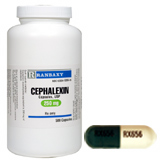
- Dog or Cat
- Availability: Prescription
- Active Ingredient(s):
- What is Cephalexin used for?
Cephalosporin’s are broad spectrum bactericidal antibiotics used to treat bacterial infections of the skin, urinary tract, respiratory tract, bones and joints. Cefadroxil is the most commonly prescribed, FDA approved medication used to treat dogs and cats. It is a commonly accepted practice by veterinarians, however, to use other forms of cephalosporin, such as cephalexin, which is not FDA approved for use in dogs and cats.
- How Cephalexin should be used?
The usual dose of cefadroxil in dogs is 10mg/pound twice a day. The usual dose in cats is 10mg/pound once a day. It is not uncommon to use this medication for serious infections while a culture to determine the specific antibiotic to use is being done. Consult your veterinarian for the dose of other drugs in this class for the specific condition being treated.
- What are the side effects?
The side effects when using cephalosporin’s, which may include loss of appetite, vomiting and diarrhea, are rare. Allergic reactions such as itching, rash and difficulty breathing may occur. Side effects in dogs may also include drooling, rapid breathing and excitability. Fever and vomiting are additional side effects that may occur in cats.
- What special precautions are there?
This medication should not be used in animals allergic to penicillin or cephalosporin’s. Use with caution in pregnant and nursing animals. Use with caution in animals when given with probenecid or aminoglycosides such as neomycin and gentamicin. Use with caution when given with other drugs that may affect the kidneys. Always tell your veterinarian and pharmacist what other medications your pet is taking.
- In the event of overdose?
Contact your veterinarian or veterinary emergency room. Symptoms of overdose may include vomiting and diarrhea
- How should I store Cephalexin?
Keep tablets and capsules in the container they came in, tightly closed. Store at room temperature, away from excess heat, light and moisture. Do not store in the bathroom. Throw away any medication that is outdated or no longer needed. After mixing with water, the oral suspension should be kept in the refrigerator and any unused portion should be discarded after 14 days. Shake well before use. Keep out of the reach of children and pets.
Disclaimer: The information on this site is for educational purposes only and should NOT be considered veterinary advice. Any veterinary questions should be referred to your veterinarian. This information is NOT to be used for diagnosis or treatment of your pet. Please make your own inquiries with your veterinarian for the suitability of a product for your pet.