Flunixin Meglumine Injection Pet Medication
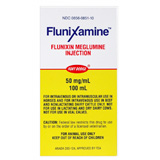
- Farm Animal
- Availability: Prescription
- Active Ingredient(s):
- What is Flunixin Meglumine Injection used for?
Flunixin meglumine is an analgesic and anti-inflammatory recommended for use in horses to alleviate inflammation and pain associated with musculoskeletal disorders. It is also recommended for the alleviation of visceral pain associated with colic in the horse.
- How Flunixin Meglumine Injection should be used?
Flunixin meglumine is FDA approved for use in veterinary medicine. The recommended dose in horses for musculoskeletal disorders is 0.5mg per pound of body weight, intravenous or intramuscular, once a day for up to 5 days. The recommended dose in horses for the alleviation of pain associated with equine colic is 0.5mg per pound. Intravenous administration is recommended for prompt relief. In some instances a second or third dose may be necessary.
- What are the side effects?
In horses, isolated reports of local reactions following Intramuscular injection, particularly in the neck, have been received. These include localized swelling, sweating, induration, and stiffness. In rare instances in horses, fatal or nonfatal clostridial infections or other infections have been reported with intramuscular use. Rare instances of anaphylactic-like reactions, some of which have been fatal, have been reported, primarily following intravenous use.
- What special precautions are there?
There are no known contraindications to the use of this medication in horses when used as directed. Intra-arterial injection should be avoided. Adverse effects associated with intra-arterial injection include ataxia, incoordination, hyperventilation, hysteria and muscle weakness. These signs are transient and disappear without antidotal medication within a few minutes. Do not use in horses showing hypersensitivity to this medication. Use with caution in animals that are dehydrated, on concomitant diuretic therapy, or with kidney, liver or heart dysfunction. Avoid using this medication with other anti-inflammatory medications, such as NSAIDs (phenylbutazone) and corticosteroids (dexamethasone). The effect of hyaluronate sodium on pregnancy has not been determined. Always tell your veterinarian and pharmacist what other medications the animal is taking. This medication is not for use in horses intended for food.
- In the event of overdose?
Acute toxicology studies performed in horses have demonstrated no systemic toxicity associated with overdoses.
- How should I store Flunixin Meglumine Injection?
Store this medication at room temperature (59ºF and 86ºF). Keep this medication out of the reach of children. Throw away any medication that is outdated or no longer needed.
Disclaimer: The information on this site is for educational purposes only and should NOT be considered veterinary advice. Any veterinary questions should be referred to your veterinarian. This information is NOT to be used for diagnosis or treatment of your pet. Please make your own inquiries with your veterinarian for the suitability of a product for your pet.