C.E.T. Chlorhexidine Rinse Pet Medication
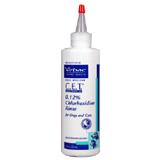
- Dog or Cat
- Availability: OTC
- Active Ingredient(s):
Chlorhexidine gluconate (0.12%)
- What is C.E.T. Chlorhexidine Rinse used for?
C.E.T. Chlorhexidine Rinse is for use on dogs, cats and horses between dental visits to help reduce inflammation and bleeding at the gumline.
- How C.E.T. Chlorhexidine Rinse should be used?
For best results, use an applicator such as a soft-bristled toothbrush. When using an applicator, place a small amount of the rinse in a container. Gently hold the animal’s head and dip the toothbrush or other applicator in the Rinse. Carefully brush the animal’s teeth in a gentle, circular motion. Remoisten the applicator as needed. When used as a rinse without the applicator, place the spout inside the corner of the mouth, slightly inside the cheek. Gently squeeze the bottle to place a small amount of the rinse between the cheek and gums. Massage the mouth to work the rinse over the teeth. Repeat this procedure on the other side of the mouth.
- What are the side effects?
There are no reported side effects.
- What special precautions are there?
When gingival inflammation and bleeding subside, C.E.T. Chlorhexidine Rinse should be discontinued and a regular home dental care program of brushing with animal toothpaste should begin. Reversible teeth staining has been reported with prolonged use of this product. Keep out of the eyes and ears. This product is for veterinary use only.
- In the event of overdose?
Contact your veterinarian or veterinary emergency room.
- How should I store C.E.T. Chlorhexidine Rinse?
Store this product at controlled room temperature of 59°-86°F. Keep out of the reach of children.
Disclaimer: The information on this site is for educational purposes only and should NOT be considered veterinary advice. Any veterinary questions should be referred to your veterinarian. This information is NOT to be used for diagnosis or treatment of your pet. Please make your own inquiries with your veterinarian for the suitability of a product for your pet.