Prednisone Pet Medication
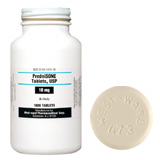
- Dog or Cat
- Availability: Prescription
- Active Ingredient(s):
- What is Prednisone used for?
Prednisone is an oral corticosteroid intended for use in dogs and cats. The indications for prednisone are the same as those for other anti-inflammatory steroids. Representative conditions that are responsive to anti-inflammatory corticosteroid therapy are skin conditions such as eczema and dermatitis, allergic reactions such as hives and asthma, inflammatory eye conditions, otitis externa, arthritis and bursitis, ulcerative colitis and nephrosis.
- How Prednisone should be used?
Prednisone is not FDA approved for use in animals; however, it is a commonly accepted practice for veterinarians to use this medication in dogs and cats. Consult your veterinarian for the proper dose as determined by the animal’s condition and response to therapy.
- What are the side effects?
Side effects that may occur when using prednisone include weight gain; panting; increased thirst, hunger and urination; vomiting and diarrhea, and Cushing’s syndrome following prolonged or repeated steroid therapy.
- What special precautions are there?
This medication should not be used in viral infections. It should not be used in animals with peptic ulcer, corneal ulcer and Cushingoid syndrome. Use caution when given to animals with diabetes, hypertension, congestive heart failure, and renal insufficiency. This medication may induce labor in animals if used in the last trimester of pregnancy. Close medical supervision by a veterinarian is recommended while the animal is using this medication.
- In the event of overdose?
Contact your veterinarian or veterinary emergency room.
- How should I store Prednisone?
Store this medication at room temperature. Throw away any medication that is outdated or no longer needed. Keep out of the reach of children and pets.
Disclaimer: The information on this site is for educational purposes only and should NOT be considered veterinary advice. Any veterinary questions should be referred to your veterinarian. This information is NOT to be used for diagnosis or treatment of your pet. Please make your own inquiries with your veterinarian for the suitability of a product for your pet.