|
Animal Shelter Support

Show your support with a magnetic ribbon.
Recent Pet News, Tips & Info...
Choose the Airedale Terrier as a Pet and Say Good-Bye to Boredom
“The King of the Terriers”, the Airedale terrier comes from Airedale, Yorkshire, England, and it is the largest of the terrier breeds. It comes from crossing the old and vanished breeds of the Black-and-Tan terrier with the Otterhound. It is also said that they have the Manchester terrier in their blood. They were initially bred to hunt otters (reason for which they are also called the Waterside Terrier) and hares in the valley of the Aire river - that also gave its name to the breed - and to herd sheep, being both shepherd and hunting dogs.
The Africanis Dog From the South African Plains to Your Home
Dog breeders do not officially recognize Africanis as a breed. Also known as the Bantu Dog or the Zulu Dog, the breed developed in South Africa and it is basically comprised of similar breeds that are originally from the area. However, dog historians have acquired enough evidence to conclude that, originally, the breed lived in the East and Middle East and migrated to Africa in ancient times. The Zulu Dog is a perfect companion for people, whether we are talking about more traditional activities like hunting or herding, or simply about the pleasure of having a dog companion.
The Afghan Hound Elegance and Distinction
If the old saying that claims that dogs and masters resemble each other is true, then the Afghan hound is surely the dog most likely to be seen in the presence of an aristocrat. Its silky, thick coat will match any of its masters' designer dresses or elegant suits. Distinguished in looks and personality, this is one of the breeds that you can't stop looking at when seeing on the street and that you are very likely to see at a dog show.
The Aidi Dog A Perfect Watchdog
Of Moroccan origin, the Aidi dog evolved as a watchdog for herds of goats and sheep. For this reason, it has heightened senses that are very good at detecting threats and its instincts are perfectly in tune, resulting in a speedy and efficient reaction. These characteristics are also perfect for a hunting dog - so it is also very good at filling that role. Very courageous, this breed has evolved in the Morrocan mountains, protecting itself and its owners from many vicious predators like wildcats, but also from strangers. Also called the Berber (it was commonly used by Berber tribes), this breed is very similar to Pariah dogs - to which it is believed to be related.
|
 |
Medrol Pet Medication
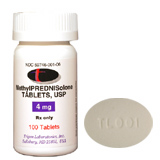
Medrol information
|
Medrol Availability :
|
|
Prescription
|
|
Medrol Active Ingredient(s):
|
|
|
|
What is Medrol used for:
|
|
Pet Meds Medrol
- Methylprednisolone is a corticosteroid used for the treatment of many conditions including Addison’s disease, inflammation, lupus, allergy, asthma, colitis and certain forms of kidney disease.
|
|
How Medrol should be used:
|
|
Methylprednisolone is FDA approved for use in dogs and cats. The dose is dependent on the type of condition being treated and the patient’s response to treatment. In many instances, the dose will be higher at the start of therapy and reduced over time as the condition improves.
|
|
What are the side effects of Medrol:
|
|
The most common side effects, which are usually dose dependent, include increased appetite, thirst and urination. Other side effects that may occur include weight gain, panting, diarrhea, vomiting and behavior changes. There are also side effects associated with long term use which may include muscle loss and weakness. The onset of Diabetes or Cushing’s disease may manifest by increases in thirst, urination and appetite. Pets with Cushing’s disease will also develop thin skin or poor hair coats. Pets may also become more susceptible to infection.
|
|
|
|
What special precautions are there for Medrol:
|
|
Methylprednisolone should not be used in animals with systemic fungal infections, certain types of mange, stomach ulcers, Cushing’s disease, high blood pressure, kidney disease or congestive heart failure. Do not use in pregnant animals as this medication may cause premature birth or birth defects. Do not change or alter the dose without consulting a veterinarian. Use with caution when given with NSAIDs such as aspirin, carprophen (Rimadyl), deracoxib (Deramaxx) or etodolac (EtoGesic). Insulin doses may require adjustment in diabetic animals. Use with caution when given with phenytoin, phenobarbital, rifampin, cyclosporine or mitotane. In addition, Methylprednisolone may alter laboratory tests for thyroid hormone, liver enzymes, and potassium. Always tell your veterinarian and pharmacist what other medications your pet is taking.
|
|
In the event of overdose:
|
|
Contact your veterinarian or veterinary emergency room.
|
|
How should I store Medrol:
|
|
Keep this medication in the container it came in, tightly closed. Store at room temperature, away from excess heat, light and moisture. Do not store in the bathroom. Throw away any medication that is outdated or no longer needed. Keep out of the reach of children and pets.
|
Disclaimer: The information on this site is for educational purposes only and should NOT be considred veterinary advice. Any veterinary questions should be referred to your veterinarian. This information is NOT to be used for diagnosis or treatment of your pet. Please make your own inquiries with your veterinarian for the suitability of a product for your pet.

|
|
|
 |
Use Google's +1 to show support
|
 |
Animal Shelter Facts
Did you know that our website www.animalshelter.org has a pet education section, which contains common pet questions on training your pet?
|
|
 |
|
 |