Clemastine Pet Medication
- Dog or Cat
- Availability: OTC
- Active Ingredient(s):
- What is Clemastine used for?
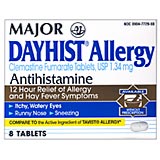
Clemastine is used for the symptomatic relief of allergy symptoms.
- How Clemastine should be used?
Clemastine is not FDA approved for use in animals; however, it is a commonly accepted practice for veterinarians to use this medication in dogs and cats. The usual dose in dogs is ½ or 1 tablet per dog every 12 hours. The usual dose in cats is ½ tablet per cat every 12 hours.
- What are the side effects?
The side effects of clemastine in dogs are sedation, paradoxical hyperactivity and dryness of the mouth. In cats, diarrhea is most common.
- What special precautions are there?
This medication should not be used in animals allergic to it. Use with caution in patients with prostate and bladder conditions, severe cardiac failure and glaucoma. Use with caution when given with sedatives or tranquilizers. Use with caution when given to pregnant or nursing animals.
- In the event of overdose?
Contact your veterinarian or veterinary emergency room. Symptoms of overdose may include dry mouth, blurred vision, rapid heart rate, urinary retention, fever and possibly hypotension.
- How should I store Clemastine?
Store at controlled room temperature (59-86ºF). Keep this medication out of the reach of children and pets.
Disclaimer: The information on this site is for educational purposes only and should NOT be considered veterinary advice. Any veterinary questions should be referred to your veterinarian. This information is NOT to be used for diagnosis or treatment of your pet. Please make your own inquiries with your veterinarian for the suitability of a product for your pet.