
Animal Shelter dogAnimal Shelter
Animal
Breed
Size
Gender
Status
Zip/Postal


Subscribe to our NewsLetter
Enter your e-mail adress to receive our monthly newsletter on pet care.

Animal Shelter Support


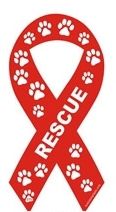
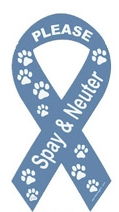
animal shelter support - rescue ribbon animal shelter support - spay and neuter ribbon
Show your support with a magnetic ribbon.


Recent Pet News, Tips & Info...

The Aryan Molossus
Once a Warrior, Today a Loyal Companion and a Family-Protector

Should you ever decide that you need a big dog, with an imposing posture, which can look threatening and majestic at the same time, the Aryan Molossus is definitely one breed that you must take into consideration.

The Armant
The Egyptian Dog with a Lot of Love to Give

To some of you, the Armant is better known as the “Egyptian Sheepdog” and, just as the name suggests it, it was bred to be a herding dog. However, in ancient times, it was used mostly as a guard dog. This breed is originally from Egypt and named after the town of Armant. Its loyalty and agility are the two main characteristics which make this dog special.

The Atlas Terrier
The Small Dog With a Massive Dose of Energy

At a glimpse, the Atlas Terrier can be easily mistaken with the Jack Russell Terrier. However, there are some differences that may help you tell these two cousins apart. Before deciding to buy or adopt a dog of this breed, there are some things that you have to take into consideration. Unfortunately, this is quite a rare breed of dogs in our days.

Anglos-Francaises de Petite Venerie
It Is Impossible Not to Love Them

Anglos-Francaises de Petite Venerie are the smallest dogs in the Anglos-Francais category. However, the name „Petite”, meaning „small”, is not at all referring to the size of the dogs, but to the game they are after. Even if they've been around since the 16th century, today, these dogs are not easy to find. So if you have decided to adopt one, you can be sure that you will have a unique pet.


Pet Tips

Learn How to Deal With Cat Skin Problems

Cat skin problems can make it difficult for your cat to be happy. That is why you should always treat these problems seriously in order to avoid complications. If something seems to be wrong with the skin, then you should check for health problems and immediately seek for the right treatment.

Symptoms of cat skin problems

There are some signs that indicate that you should take your feline to a vet, as it may suffer from a medical condition:
** constant scratching or licking more often than usual
** excessive chewing the skin
** licking (more than the cat normally does)
** redness or rashes
** bald patches or hair loss on different parts of the body
** flaking
** scaling
** inflammation or irritated skin
** crusts

These symptoms can lead to diagnosis linked to parasites, severe allergies or dangerous shin infections.

Correct diagnosis

It is very important to establish correctly what kind of skin problems your cat has, in order to find the right treatment for it. The vet will ask a few questions about the medical history, the symptoms and behavior, and then he will perform a detailed physical examination. Finally, he will carry out some diagnostic tests to be sure about the nature of the skin problem your cat has.

These tests are extremely helpful to check for mites, parasites or bacteria and they evaluate the cat’s overall health:

** microscope examination of hair, skin scraping or cells
** tape tests
** Biopsy
** Allergy tests
** Blood tests
** Sensitivity tests

Only after the results of these tests come up, the vet will be able to establish the exact problem, the causes and the right treatment.

Causes for cat skin problems

It is most likely that investigations might reveal one of the causes listed below:
a) Fungal infections – can be very contagious even for people and they usually affect areas on the head, ears or paws.
b) External parasites – like flees, mites or lice
c) Allergies – to food (beef, milk, corn etc.), to seasonal changes (common allergens from trees, mold and grass), to grooming products or even to flees and some of the flea-control products.
d) Common infections
e) Tumors
f) Stress reactions

Treatment for cat skin problems

Depending on the diagnosis and the causes that lead to the skin problem, the vet will decide which treatment is going to be more efficient. For parasites, the common treatment includes shampoos and sprays; for irritations and allergies the vet will prescribe antihistamines and corticosteroids and, of course, a hypoallergenic diet. Infections are to be treated with antibiotic or antifungal medications. In order to keep your pet's skin healthy, it is very important for it to have a balanced diet; once in a while, fatty acid supplements can be added to the diet of your cat - they are good for the skin and overall health. If not properly treated, cat skin problems can become dangerous for the health of your pet, so it is advisable to ask for the professional opinion of your vet and carefully follow the treatment prescribed.


Share this article on Learn How to Deal With Cat Skin Problems with friends.


If you enjoyed this article please take a look at our Pet Tips and Information Archive.


Use Google's +1 to show support


Sam Is a Female Dog who currently lives in Arkansas.

Adopt Sam Now
Animal Shelter Facts
Did you know that twenty percent of owned dogs were adopted from an animal shelter?

   Pets
   By State
   By Zip Code
   Add Your Pet
   Found Pets
   Lost Pets
   Vet Clinics
   By State
   By Zip Code
   Add Your Vet
   Dog Boarding
   By State
   By Zip Code
   Add Your Kennel
   Dog Parks
   By State
   By Zip Code
   Add Your Dog Park
   Contact
   By EMail
   FaceBook
   Twitter
   YouTube
   RSS Feeds
   Daily Pet Tips
   New Pet Adoptions
   New Lost Pets
   New Found Pets
   New Shelters


Animal Shelter © 2003-2011  Privacy Policy · Terms Of Use