
Animal Shelter dogAnimal Shelter
Animal
Breed
Size
Gender
Status
Zip/Postal


Subscribe to our NewsLetter
Enter your e-mail adress to receive our monthly newsletter on pet care.

Animal Shelter Support


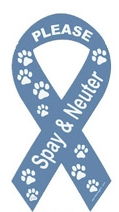
animal shelter support - rescue ribbon animal shelter support - spay and neuter ribbon
Show your support with a magnetic ribbon.


Recent Pet News, Tips & Info...

The Aryan Molossus
Once a Warrior, Today a Loyal Companion and a Family-Protector

Should you ever decide that you need a big dog, with an imposing posture, which can look threatening and majestic at the same time, the Aryan Molossus is definitely one breed that you must take into consideration.

The Armant
The Egyptian Dog with a Lot of Love to Give

To some of you, the Armant is better known as the “Egyptian Sheepdog” and, just as the name suggests it, it was bred to be a herding dog. However, in ancient times, it was used mostly as a guard dog. This breed is originally from Egypt and named after the town of Armant. Its loyalty and agility are the two main characteristics which make this dog special.

The Atlas Terrier
The Small Dog With a Massive Dose of Energy

At a glimpse, the Atlas Terrier can be easily mistaken with the Jack Russell Terrier. However, there are some differences that may help you tell these two cousins apart. Before deciding to buy or adopt a dog of this breed, there are some things that you have to take into consideration. Unfortunately, this is quite a rare breed of dogs in our days.

Anglos-Francaises de Petite Venerie
It Is Impossible Not to Love Them

Anglos-Francaises de Petite Venerie are the smallest dogs in the Anglos-Francais category. However, the name „Petite”, meaning „small”, is not at all referring to the size of the dogs, but to the game they are after. Even if they've been around since the 16th century, today, these dogs are not easy to find. So if you have decided to adopt one, you can be sure that you will have a unique pet.


Pet Tips

Pedigree Dogs, why, how and more...

Pedigrees have been the most insightful methods used by people to track down the genetic history of their favorite animal companions. Just like royalty, pure breed dogs have documented ancestry. But recently, dog pedigrees have become important in one of today’s most cutting-edge science – genetics.

To get a feel of the importance of such modern assays, think about the large number of different breeds of domesticated dogs, not to mention mixes between breeds. Actually there is no other mammal in the whole wide world that can appear under so many disguises. From Chinese Crested dogs that are favorites for winners of “The Ugliest Dog” contests, to clever Border Collies or the lovely Labrador Retrievers, dogs come in different shapes and sizes.

Who would have known that the common looking wolves will end up with great grand children, looking so unlike their fathers? In fact, genetics asks the same question and goes overboard to explain why there is so much variety and how did it come about to benefit mankind.

Nature and nurture seem to function for our furry friends just like they do for us. In other words, the comfortable life domesticated dogs have led close to humans, has impacted their genome. Although their ancestors started as help for cavemen, dogs today are treated like family. Did you know that there is a Disney resort for pets next to the one for humans? And did you know that there is a special airline that caters to pets only?

There is as much variation in our dog’s genes just as the differences between an animal shelter and that Disney dog resort. So, dogs differ considerably between breeds, as they differ from one individual to another. But once again, this proves to be helpful for us humans. Studies of dog genetics can offer insights not only into their history and diseases, but can also provide solutions for studies on human genetics.

Breeding has given this opportunity for genetic variation that resulted in the different aspect of dogs today. Pure breeding, however, has been responsible for the harmful mutations, leading to genetic diseases so many dogs suffer from. If natural selection would have led its course, dogs would still look like wolves and have their robust characteristics.

Domesticated dogs suffer from diabetes, hip dysplasia, arthritis and cancers as a side effect of sedentary lifestyles. These are caused by upbringing, diets based on processed foods, environmental pollutants, which affect our pets just as they affect us. Consequently, the natural protection systems of their genes are weakened and they get higher frequencies for mutations, some of which are harmful. Further breeding spreads these mutations in next generation dogs.

If our dogs look anything like wolves today, their lifestyle tends to look more and more like that of their owners. Costly veterinary care resembles cutting-edge practices in human medicine. We have made our pets sick and now we have to pay higher and higher bills to keep them alive.

In any case, man’s best friend is treated more and more like family.

Share this article on Pedigree Dogs, why, how and more... with friends.


If you enjoyed this article please take a look at our Pet Tips and Information Archive.


Use Google's +1 to show support


Wags Is a Female Dog who currently lives in Arkansas.

Adopt Wags Now
Animal Shelter Facts
Did you know that you can search for animal shelters in your area by state or zip code?

   Pets
   By State
   By Zip Code
   Add Your Pet
   Found Pets
   Lost Pets
   Vet Clinics
   By State
   By Zip Code
   Add Your Vet
   Dog Boarding
   By State
   By Zip Code
   Add Your Kennel
   Dog Parks
   By State
   By Zip Code
   Add Your Dog Park
   Contact
   By EMail
   FaceBook
   Twitter
   YouTube
   RSS Feeds
   Daily Pet Tips
   New Pet Adoptions
   New Lost Pets
   New Found Pets
   New Shelters


Animal Shelter © 2003-2011  Privacy Policy · Terms Of Use