

Animal Shelter dogAnimal Shelter
Animal
Breed
Size
Gender
Status
Zip/Postal


Subscribe to our NewsLetter
Enter your e-mail adress to receive our monthly newsletter on pet care.

Animal Shelter Support


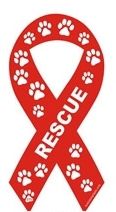
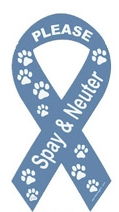
animal shelter support - rescue ribbon animal shelter support - spay and neuter ribbon
Show your support with a magnetic ribbon.


Recent Pet News, Tips & Info...

Choose the Airedale Terrier as a Pet and Say Good-Bye to Boredom
“The King of the Terriers”, the Airedale terrier comes from Airedale, Yorkshire, England, and it is the largest of the terrier breeds. It comes from crossing the old and vanished breeds of the Black-and-Tan terrier with the Otterhound. It is also said that they have the Manchester terrier in their blood. They were initially bred to hunt otters (reason for which they are also called the Waterside Terrier) and hares in the valley of the Aire river - that also gave its name to the breed - and to herd sheep, being both shepherd and hunting dogs.

The Africanis Dog From the South African Plains to Your Home
Dog breeders do not officially recognize Africanis as a breed. Also known as the Bantu Dog or the Zulu Dog, the breed developed in South Africa and it is basically comprised of similar breeds that are originally from the area. However, dog historians have acquired enough evidence to conclude that, originally, the breed lived in the East and Middle East and migrated to Africa in ancient times. The Zulu Dog is a perfect companion for people, whether we are talking about more traditional activities like hunting or herding, or simply about the pleasure of having a dog companion.

The Afghan Hound Elegance and Distinction
If the old saying that claims that dogs and masters resemble each other is true, then the Afghan hound is surely the dog most likely to be seen in the presence of an aristocrat. Its silky, thick coat will match any of its masters' designer dresses or elegant suits. Distinguished in looks and personality, this is one of the breeds that you can't stop looking at when seeing on the street and that you are very likely to see at a dog show.

The Aidi Dog A Perfect Watchdog
Of Moroccan origin, the Aidi dog evolved as a watchdog for herds of goats and sheep. For this reason, it has heightened senses that are very good at detecting threats and its instincts are perfectly in tune, resulting in a speedy and efficient reaction. These characteristics are also perfect for a hunting dog - so it is also very good at filling that role. Very courageous, this breed has evolved in the Morrocan mountains, protecting itself and its owners from many vicious predators like wildcats, but also from strangers. Also called the Berber (it was commonly used by Berber tribes), this breed is very similar to Pariah dogs - to which it is believed to be related.


Pet Tips

Questions to ask when adopting a dog

--Is this dog an owner turn-in, a stray dog, or a shelter save? Most likely, the shelter will have more information if it is an owner turn-in.

--Why did the owners give him up? Did the family give any information about the dog? It will be helpful for you to find out everything you can about the dog’s past so you can train him well.

--What is the age of the dog (it can be approximate)? If it is a rescue dog, he can range anywhere from 8 weeks to 15 years.

--How long has this dog been in the shelter or foster care? If he has been in the shelter for a long time, he may have some kennel-related behavior issues, and may have a need for remedial housetraining. If the dog has been with a foster family for awhile, the family may give you valuable information about him.

--Upon arrival, has he had any medical or behavioral problems? They may or may not be serious.

--What kind of medical treatment has the dog had? See if there are any treatments that need to continue or if there is any long term effect.

--While in the foster home or shelter, has the dog been getting any training or socialization? Does the training need to keep going?

--Are there any training or behavior issues that need to be addressed, such as housetraining or dog aggression? Make sure you can handle these issues.

--What is the activity level of this dog? What are the exercise needs? Choose a dog who has the activity level that is the same as yours.

--Will this dog be compatible with my lifestyle? A shelter or a rescue should be able to help you find a perfect dog for your lifestyle.

--Does the dog have any signs of aggression with people or animals? If the dog has aggressive behavior, he will need extra training. Don’t choose this dog if you have no idea how to train an aggressive dog.

--Does the dog prefer a certain type of people—men, women, kids, or the elderly? Try for a good match, even though dogs are adaptable.

--Does the dog need to have another dog in the house? When you are adopting, don’t forget about your existing pets.

--What is the return policy of this rescue group or shelter? Will they take the dog back if the new home doesn’t work out for him or he has a major medical problem? If the dog has major medical or behavior problems, a good shelter or rescue group will usually accommodate a return.

--Has the dog been altered and has he got his first vaccines and worming? Usually this will be done. However, the majority of the municipal shelters will do just the bare minimum.


Share this article on Questions to ask when adopting a dog with friends.


If you enjoyed this article please take a look at our Pet Tips and Information Archive.


Use Google's +1 to show support


Lucy Is a Female Dog who currently lives in South Carolina.

Adopt Lucy Now
Animal Shelter Facts
Did you know that our website www.animalshelter.org has a pet education section, which contains common pet questions on fleas?

   Pets
   By State
   By Zip Code
   Add Your Pet
   Found Pets
   Lost Pets
   Vet Clinics
   By State
   By Zip Code
   Add Your Vet
   Dog Boarding
   By State
   By Zip Code
   Add Your Kennel
   Dog Parks
   By State
   By Zip Code
   Add Your Dog Park
   Contact
   By EMail
   FaceBook
   Twitter
   YouTube
   RSS Feeds
   Daily Pet Tips
   New Pet Adoptions
   New Lost Pets
   New Found Pets
   New Shelters


Animal Shelter © 2003-2011  Privacy Policy · Terms Of Use