Animal Shelter dogAnimal Shelter
Animal
Breed
Size
Gender
Status
Zip/Postal


Subscribe to our NewsLetter
Enter your e-mail adress to receive our monthly newsletter on pet care.

Animal Shelter Support


animal shelter support - rescue ribbon animal shelter support - spay and neuter ribbon
Show your support with a magnetic ribbon.


Recent Pet News, Tips & Info...

The Aryan Molossus
Once a Warrior, Today a Loyal Companion and a Family-Protector

Should you ever decide that you need a big dog, with an imposing posture, which can look threatening and majestic at the same time, the Aryan Molossus is definitely one breed that you must take into consideration.

The Armant
The Egyptian Dog with a Lot of Love to Give

To some of you, the Armant is better known as the “Egyptian Sheepdog” and, just as the name suggests it, it was bred to be a herding dog. However, in ancient times, it was used mostly as a guard dog. This breed is originally from Egypt and named after the town of Armant. Its loyalty and agility are the two main characteristics which make this dog special.

The Atlas Terrier
The Small Dog With a Massive Dose of Energy

At a glimpse, the Atlas Terrier can be easily mistaken with the Jack Russell Terrier. However, there are some differences that may help you tell these two cousins apart. Before deciding to buy or adopt a dog of this breed, there are some things that you have to take into consideration. Unfortunately, this is quite a rare breed of dogs in our days.

Anglos-Francaises de Petite Venerie
It Is Impossible Not to Love Them

Anglos-Francaises de Petite Venerie are the smallest dogs in the Anglos-Francais category. However, the name „Petite”, meaning „small”, is not at all referring to the size of the dogs, but to the game they are after. Even if they've been around since the 16th century, today, these dogs are not easy to find. So if you have decided to adopt one, you can be sure that you will have a unique pet.


Pet Tips

The Labrador Retriever

Labrador Retriever

Alternative names: Lab

Country of Origin: Newfoundland (Canada)
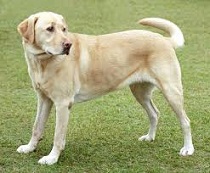
History: Bred as a hunter and water retriever, the Lab was developed from Saint John’s Newfoundlands and other gun dogs in the early 19th century. It was a distinct breed by the mid-nineteenth century. The Labrador retriever is the most popular companion dog in the U.S. and still is used for hunting, as well as a number of other jobs, including search and rescue, detection, and service work.

Physical Description: This is a medium to large-size muscular dog. It has a broad head with a black or brown nose (black on black and yellow Labs, brown on chocolate labs); brown or hazel eyes; and short, triangular drop ears. The otter tail is long and thick. The double coat has a short, dense undercoat and short, straight, water-resistant outer coat in black, yellow, or chocolate. There may be a white spot on the chest.

Height: 21 to 24.5 inches

Weight: 55 to 80 pounds

Temperament: The Labrador retriever is enthusiastic, social, and biddable. It is even-tempered and friendly with almost everyone, including children and other dogs, It loves the water and carrying objects in its mouth.

Activity Level: High

Best Owner: It does well with an active family in a rural or suburban environment but can adapt to city life with sufficient exercise.

Special Needs: Exercise, training

Possible Health Concerns: arthritis, hip dysplasia, PRA

Share this article on The Labrador Retriever with friends.


If you enjoyed this article please take a look at our Pet Tips and Information Archive.


Use Google's +1 to show support


Wags Is a Female Dog who currently lives in Arkansas.

Adopt Wags Now
Animal Shelter Facts
Did you know that three in ten (or 34,700,000) households own at least one cat?

   Pets
   By State
   By Zip Code
   Add Your Pet
   Found Pets
   Lost Pets
   Vet Clinics
   By State
   By Zip Code
   Add Your Vet
   Dog Boarding
   By State
   By Zip Code
   Add Your Kennel
   Dog Parks
   By State
   By Zip Code
   Add Your Dog Park
   Contact
   By EMail
   FaceBook
   Twitter
   YouTube
   RSS Feeds
   Daily Pet Tips
   New Pet Adoptions
   New Lost Pets
   New Found Pets
   New Shelters


Animal Shelter © 2003-2011  Privacy Policy · Terms Of Use