Vetsulin Dog Insulin Pet Medication
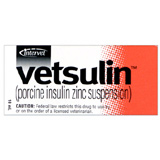
- Dog
- Availability: Prescription
- Active Ingredient(s):
- What is Vetsulin Dog Insulin used for?
Vetsulin is indicated for the reduction of hyperglycemia and hyperglycemia-associated clinical signs in dogs with diabetes mellitus.
- How Vetsulin Dog Insulin should be used?
Vetsulin should be administered subcutaneously. Use Vetsulin with U-40 syringes only. The dose of Vetsulin is determined based on the weight of the pet, clinical signs and blood tests. Prior to use, the vial should be gently rolled between the hands. Do not shake.
- What are the side effects?
The most common side effect associated with Vetsulin therapy is hypoglycemia. Symptoms of hypoglycemia can occur suddenly and may include weakness, depression, behavioral changes, muscle twitching, anxiety, seizures, coma, and death. Hypoglycemia can be caused by giving too much insulin, missing or delaying food, change in food or diet or amount fed, increased exercise, infection or illness, diseases of the adrenal or pituitary or thyroid glands or progression of liver or kidney disease. Other side effects can include loss of effectiveness and local or systemic reactions.
- What special precautions are there?
Vetsulin is for use in animals only. Do not use in dogs known to have a systemic allergy to pork or pork products. Use with caution in dogs that have stopped eating or have decreased appetite, vomiting or show signs of extreme drowsiness, fatigue and/or signs of ketoacidosis. Progestogen (megestrol) and glucocorticoids (cortisone, prednisone, dexamethasone, triamcinolone) may counter the effect of Vetsulin. Always tell your veterinarian and pharmacist what other medications, including vitamins and supplements, your pet is taking.
- In the event of overdose?
Contact your veterinarian or veterinary emergency room. Symptoms of overdose that may occur include hypoglycemia (low blood sugar) which can be life threatening.
- How should I store Vetsulin Dog Insulin?
Keep this medication stored in an upright position under refrigeration (36º-46ºF). Do not freeze. Protect from light.
Disclaimer: The information on this site is for educational purposes only and should NOT be considered veterinary advice. Any veterinary questions should be referred to your veterinarian. This information is NOT to be used for diagnosis or treatment of your pet. Please make your own inquiries with your veterinarian for the suitability of a product for your pet.