Triamcinolone Acetonide Pet Medication
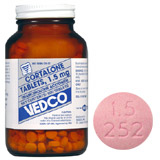
- Dog or Cat
- Availability: Prescription
- Active Ingredient(s):
- What is Triamcinolone Acetonide used for?
Triamcinolone acetonide is a highly potent glucocorticoid effective in the treatment of inflammation and related disorders. It is indicated in the management and treatment of acute arthritis and allergic and dermatologic disorders.
- How Triamcinolone Acetonide should be used?
Triamcinolone acetonide is FDA approved for use in veterinary medicine. The usual dose in dogs and cats is ½ -1 mg per 10 lbs of body weight daily and depends on the condition being treated and the response to treatment.
- What are the side effects?
Side effects of triamcinolone acetonide may include vomiting, stomach upset, changes in appetite, edema, heperglycemia and impaired wound healing.
- What special precautions are there?
Triamcinolone acetonide should not be used in the presence of systemic fungal infections. Use with caution in pregnant animals especially late term. Use with caution in pets with seizure disorders, diabetes, hypertension and impaired liver function. Use with caution when given with barbiturates such as phenobrabital, beta blockers such as , buspirone, cisapride, cox-2 inhibitors such as Deramaxx, oral hypoglycemics such as glipizide, insulin, phenothiazines such as acepromazine, Dilantin, Coumadin or warfarin and live vaccines. Always tell your veterinarian or pharmacist what other medications your pet is taking.
- In the event of overdose?
Contact your veterinarian or veterinary emergency room. Symptoms of overdose include “Cushingoid effects including increased thirst, hunger and urination.
- How should I store Triamcinolone Acetonide?
Keep this medication in the container it came in, tightly closed. Store at room temperature, away from excess heat and moisture. Do not store in the bathroom. Throw away any medication that is outdated or no longer needed. Keep out of the reach of children and pets.
Disclaimer: The information on this site is for educational purposes only and should NOT be considered veterinary advice. Any veterinary questions should be referred to your veterinarian. This information is NOT to be used for diagnosis or treatment of your pet. Please make your own inquiries with your veterinarian for the suitability of a product for your pet.