Dexamethasone Pet Medication
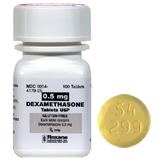
- Dog or Cat
- Availability: Prescription
- Active Ingredient(s):
- What is Dexamethasone used for?
Dexamethasone is a corticosteroid used to treat a variety of conditions including lupus, arthritic inflammation, allergies, cancers, brain swelling and other conditions.
- How Dexamethasone should be used?
Not all forms of dexamethasone are FDA approved for use in veterinary medicine; however, it is a commonly accepted practice for veterinarians to use this medication in dogs and cats. Consult your veterinarian for the proper dose for the specific condition being treated.
- What are the side effects?
Side effects of dexamethasone may include changes in appetite, increased thirst and urination, drowsiness, and hyperglycemia. Long term use may cause symptoms of adrenal insufficiency, impaired wound healing, and muscle loss and weakness. Side effects can be reduced by modifying the dose or frequency of administration. Consult your veterinarian before making any changes in the directions for use.
- What special precautions are there?
Dexamethasone should not be used in animals allergic to it. It should be used with caution in animals with diabetes, seizure disorders, congestive heart failure, hypertension or impaired liver function. Do not use in animals with systemic fungal infections. When used in long term therapy the medication should be tapered off over several days or weeks. If the medication is abruptly stopped, symptoms of Addison’s disease, including vomiting and weakness may occur. This can be fatal. Use with caution when given with NSAIDs such as Rimadyl or aspirin. Higher doses of may be necessary when given with phenytoin, phenobarbital or rifampin. Lower doses of may be needed if given with cyclosporine, estrogens, erythromycin or mitotane. Do not give live vaccines to animals on high doses of dexamethasone. When given with amphotericin B, furosemide or thiazide there is an increased risk of digitalis toxicity. Always tell your veterinarian and pharmacist what other medications your pet is taking.
- In the event of overdose?
Contact your veterinarian or veterinary emergency room. Symptoms of overdose may include Cushingoid symptoms which include increased thirst, hunger and urination.
- How should I store Dexamethasone?
Keep this medication in the container it came in, tightly closed. Store at room temperature, away from excess heat, light and moisture. Do not store in the bathroom. Throw away any medication that is outdated or no longer needed. Keep out of the reach of children and pets.
Disclaimer: The information on this site is for educational purposes only and should NOT be considered veterinary advice. Any veterinary questions should be referred to your veterinarian. This information is NOT to be used for diagnosis or treatment of your pet. Please make your own inquiries with your veterinarian for the suitability of a product for your pet.