Clomipramine Pet Medication
- Dog
- Availability: Prescription
- Active Ingredient(s):
- What is Clomipramine used for?
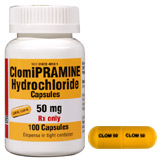
Clomipramine (Clomicalm) is a tricyclic antidepressant FDA approved for veterinary use in dogs for the treatment of separation anxiety. Clomipramine (Anafranil), FDA approved for human use, is sometimes used in veterinary medicine to treat aggression and obsessive-compulsive disorders such as tail chasing. Clomipramine may also be useful in cats, but cats tend to be more sensitive to tricyclic antidepressant drugs. Dosing of cats may be difficult with the commercially available products.
- How Clomipramine should be used?
The usual dose of Clomicalm in dogs is 0.9-1.8mg/pound every 24 hours. The usual dose of clomipramine in dogs is 0.5-1.5mg/pound every 12-24 hours.
- What are the side effects?
Side effects of clomipramine may include drowsiness, dry mouth, rapid heart rate, loss of appetite, vomiting and diarrhea. Some patients may become aggressive.
- What special precautions are there?
Do not use this medication in animals that are allergic to it or other tricyclic antidepressants. Use with caution in patients with liver disease, urinary retention, hyperthyroidism, seizure disorders or glaucoma. Do not use in pregnant or nursing females. Do not use in breeding males. Do not use with monoamine oxidase inhibitors (MAOIs) such as selegiline or Preventic tick collar. If the patient is being given an MAOI, wait 2 weeks after discontinuing before starting treatment with clomipramine. Do not use with other central nervous system (CNS) depressants such as barbiturates or tranquilizers. Always tell your veterinarian and pharmacist what other medications your pet is taking. Give this medication with food.
- In the event of overdose?
Contact your veterinarian or veterinary emergency room. Symptoms of overdose may include convulsions, heart arrhythmia and rapid heart beat (tachycardia).
- How should I store Clomipramine?
Keep this medication in the container it came in, tightly closed. Store tablets and capsules at room temperature, away from excess heat, light and moisture. Do not store in the bathroom. Throw away any medication that is outdated or no longer needed. Keep medication out of the reach of children and pets.
Disclaimer: The information on this site is for educational purposes only and should NOT be considered veterinary advice. Any veterinary questions should be referred to your veterinarian. This information is NOT to be used for diagnosis or treatment of your pet. Please make your own inquiries with your veterinarian for the suitability of a product for your pet.